What to check before booking a dune buggy in Dubai
Booking a desert drive should feel simple, yet a few details make a real difference once the day arrives. A dune buggy is not the same as a usual city vehicle, and the desert adds heat, loose sand, changing light and long gaps between facilities. Before paying for a slot, pause and look at the practical parts of the trip: the vehicle type, the route, the safety setup, the timing and the rules for passengers. That short review helps match the drive to the people going, rather than leaving everyone to adapt on the day.
The vehicle and the way it is described
Start with the basic description. A single-seater buggy suits someone who wants full control and a focused drive. A passenger buggy suits two people who want to share the experience, with one driver and one rider. The difference affects space, comfort and how clearly both people can hear instructions. If the listing uses vague wording, ask for the exact vehicle type before booking rather than assuming all buggies are the same.
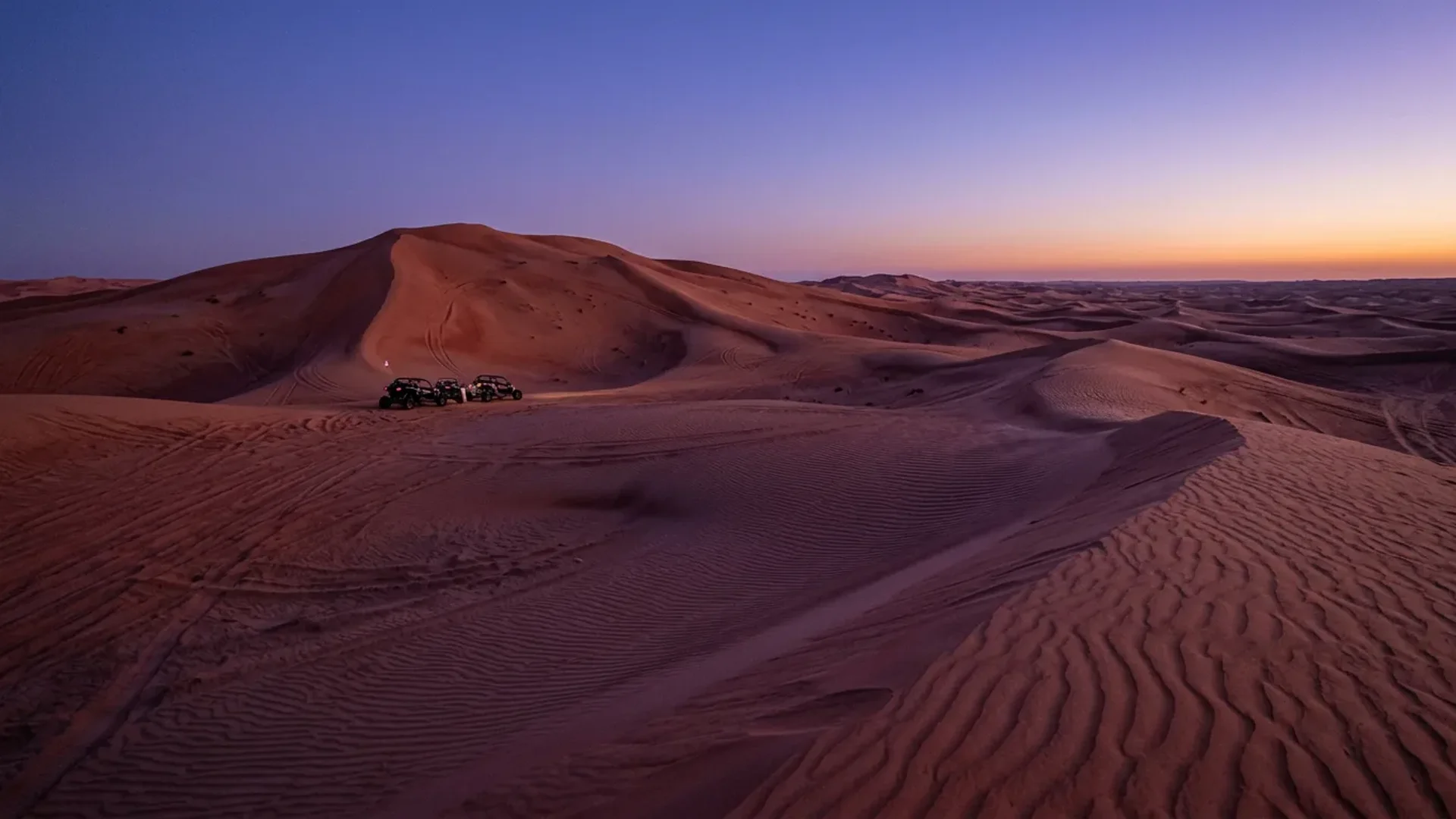
It also helps to understand what kind of driving is involved. Some outings are built around laps and tours, where the pace is steadier and the route is repeated or guided. Others lean more toward off-road driving over open sand dunes. Neither option is automatically better. A first timer may prefer a structured route, while a confident driver may want more varied terrain. Check that the description matches the level of activity expected by the group.
Who is allowed to drive and ride
Age, licence and passenger rules are worth checking early, especially when the booking is for a family or a mixed group. Requirements can vary by vehicle and by the operator's terms, so do not rely on general assumptions. Read the conditions for drivers and passengers, then compare them with everyone in the party. If a child, a novice or a nervous rider is coming, confirm what seat they can use and whether the pace can be kept manageable.
Physical comfort matters here too. Riding over sand involves vibration, dust and sudden shifts in direction. Someone with back trouble, motion sickness or limited mobility may need a calmer option or a different seat. A good buggy dubai booking decision is not only about the vehicle. It is also about whether each person can take part comfortably and safely.
Safety gear and basic briefings
Look for a clear mention of safety gear before the booking is confirmed. Helmets are the obvious item, but fit and condition matter as much as presence. Eye protection can help with dust, and closed footwear is more sensible than loose sandals. Loose scarves, hanging straps and unsecured loose items are best avoided around any moving vehicle. If the day is hot, breathable clothing and sun protection still matter, even when the drive itself is short.
A briefing should explain hand signals, stopping, following distance and what to do if the group separates. This is especially useful on sand, where visibility can change and tracks can look similar. The route may seem straightforward from a distance, but dunes can hide dips and sharper turns. Clear instructions reduce confusion and help drivers respond calmly instead of guessing.
Route, terrain and pace
Ask what the route is like in plain terms. Is it mostly flat desert, rolling sand dunes or a mix of both? Are there tight turns, steep descents or stretches where vehicles travel close together? A route with more technical sand asks for smoother steering and more patience. A route with open space may feel easier, though speed can still build quickly. The right pace depends on the group, not just the length of the ride.
Heat and light also shape the experience. Midday sun can make waiting and riding uncomfortable, while late afternoon brings lower light and cooler air. In the desert, conditions can change through the day, and sand may feel firmer in some areas than others. A sensible plan leaves room for slower driving, photo stops and water breaks. When choosing buggy dubai dates or times, consider comfort first, then build the rest of the day around that choice.
Duration, inclusions and hidden gaps
Read the time details carefully. The advertised duration may include briefing, gear fitting and transfers, not only driving time. That is not a problem if expectations are clear. It becomes frustrating when a short ride is imagined from a longer headline. Check what is included, such as safety equipment, guidance, refreshments or transport, and treat anything not listed as optional until confirmed.
It is also wise to check what happens between stages of the outing. Are there shaded waiting areas? Is water available? Can spectators stay nearby? For a family, those details can matter as much as the drive. A smooth day usually depends on the small gaps being handled well, not just the exciting part.
Cost terms and booking conditions
Before paying, look beyond the headline amount. Check whether the price is per vehicle, per driver or per passenger, since that changes the real total for a group. Read the terms for changes, cancellations, late arrival and no-shows. Clear rules are easier to accept than surprises. If the wording is unclear, ask for confirmation in writing before the booking is final.
Also check whether deposits, extras or optional add ons are handled separately. Some trips may include extras that sound appealing but add time or cost. Choose only what fits the group's needs. A focused outing with fewer add ons often feels calmer than a packed schedule that leaves little room to enjoy the desert.
Insurance, damage rules and responsibility
This is one of the most important areas to read closely. Find out what cover applies during the drive, what is excluded and how damage is handled. Terms may differ for drivers, passengers and third parties. Look for clear language about excess amounts, reporting damage and what happens if a vehicle is damaged through careless driving. If a clause is hard to understand, ask for a plain explanation before agreeing to it.
Responsibility also includes how the vehicle is treated on the route. Smooth inputs, steady following and respect for other vehicles reduce risk. Sand can be unforgiving when a driver turns sharply or ignores a signal. If a mechanical issue appears, stop in a safe place and alert the guide rather than trying to diagnose or repair it yourself. Mechanical work belongs to a qualified professional.
Weather, clothing and personal comfort
Desert conditions call for simple preparation. Wear comfortable clothing that covers skin from sun and sand, and choose footwear that stays secure. Bring water if the booking does not clearly include it. Sunglasses and a hat can help before and after the drive, though a hat should not interfere with a helmet. Dust may be part of the experience, so protect cameras and phones with a sealed pouch or keep them packed.
Check the forecast close to the day, especially for heat, wind and rain. Strong wind can reduce visibility and make the ride less pleasant. Rain may affect access and route choices. If conditions look poor, ask about options rather than pushing ahead. Flexibility is part of sensible desert planning.

Reputation and clarity of communication
Finally, judge how clearly the operator communicates. Good information is specific: vehicle type, route style, safety gear, age rules, timing, inclusions and terms. Vague answers before booking often become bigger questions later. Read recent reviews with attention to repeated themes, not single comments. Look for notes about organisation, briefings, comfort and how rules were explained.
Useful reviews mention the parts that are easy to overlook, such as waiting time, clarity of instructions or how the pace was managed. They are not a substitute for reading the terms, but they can reveal patterns. A professional response to questions before booking is also a good sign. When the details are clear, the day is far more likely to feel relaxed from start to finish.
A quick final review before you confirm
Before committing, make sure the trip matches the least confident person in the group, not only the most eager driver. Check the vehicle type, passenger rules, safety gear, route, timing, inclusions and damage terms. Then confirm anything unclear in writing. A dune buggy outing is at its best when the excitement is matched by clear planning, sensible limits and a route that suits everyone involved.